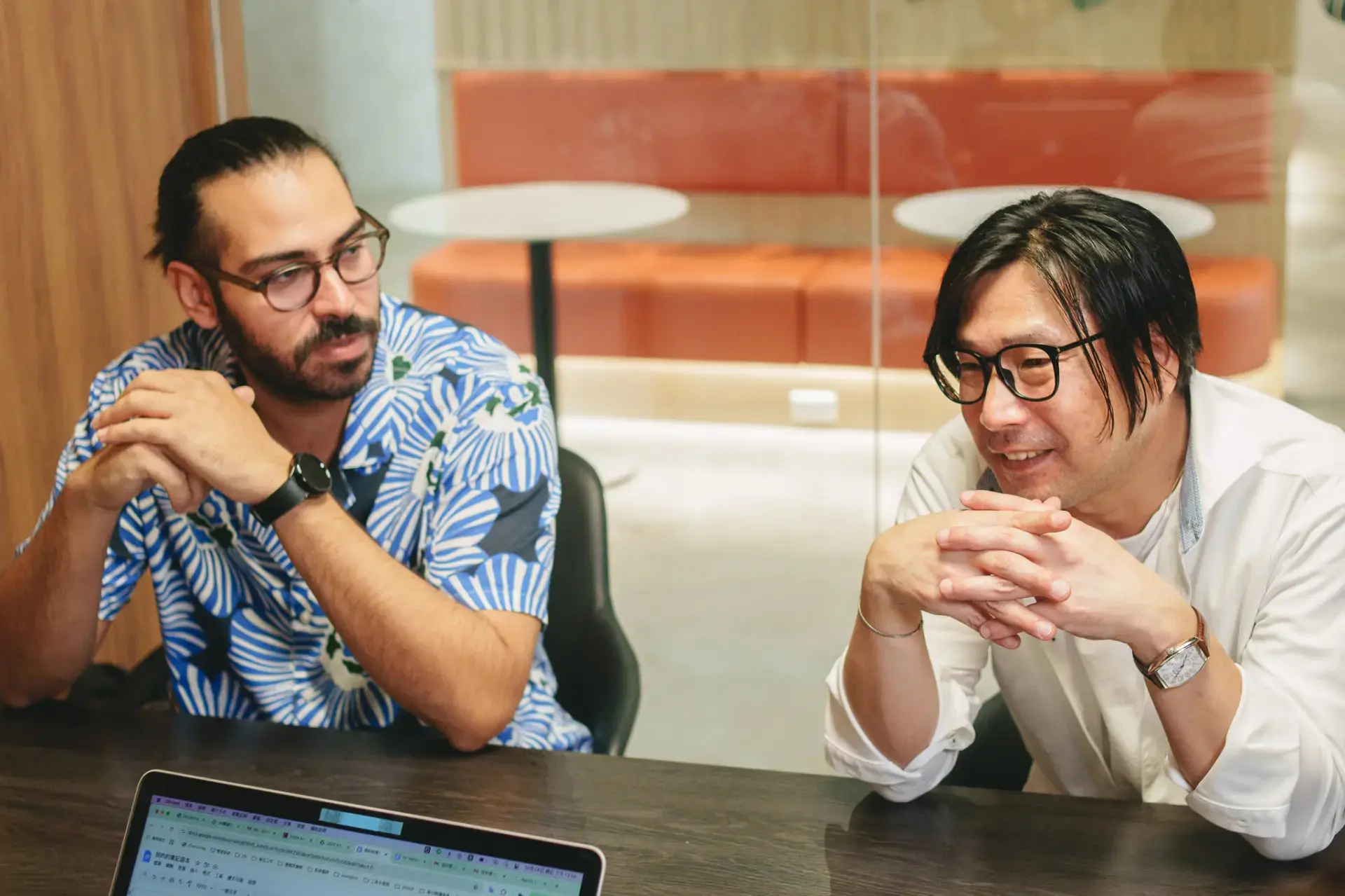
VR劇院與串流平台,孰為沉浸體驗之王道?專訪《鐵達尼:往日回聲》製片Voyelle, 製作人Vincent Guttmann與Eclipso營運長Antoine
Since 2017, the Kaohsiung Film Festival’s (KFF) tech-focused section “XR DREAMLAND” has stood out among Taiwan’s film events for its unique appeal, drawing huge crowds every year. Dating back to its roots in 2000, the XR unit has grown in influence with each flagship release, routinely smashing million-NTD box-office records. This year is no different—2025’s big highlight is the LBE blockbuster Titanic: Echoes from the Past (shortened to Titanic). Step into the venue and there it is: the iconic “Jack and Rose at the bow” scene, tempting everyone to strike that flying pose for a photo (laughs).
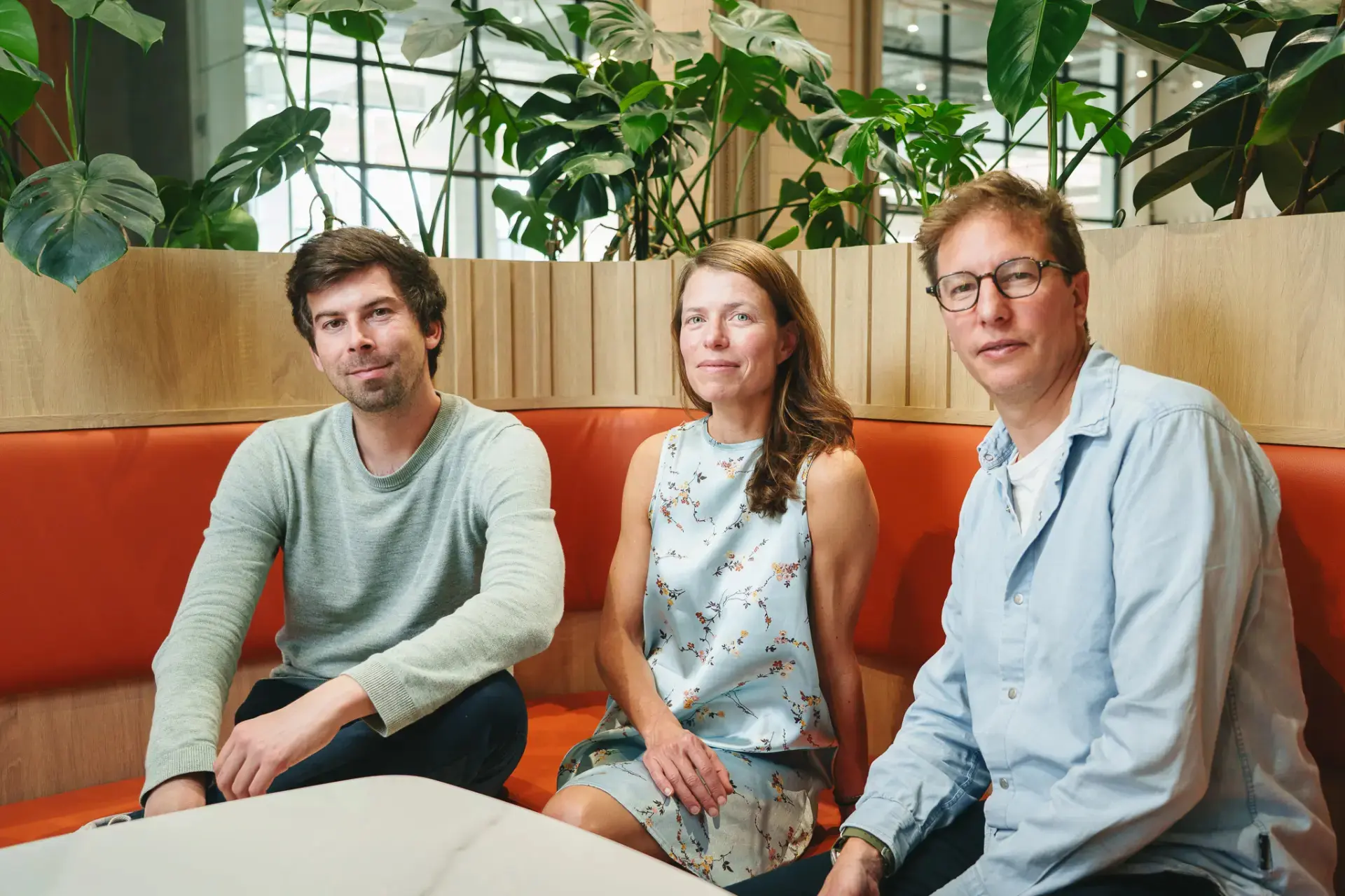
Producer Voyelle, who flew in from France, couldn’t hide her pride: “We put tons of thought into picking the topic—did heaps of research, asked everyone around us—just to nail something that clicks with ages 9 to 90. The strategy is ‘the more the merrier’: families, friends, every generation. Parents bring kids, grandparents drag grandkids—everyone heads to the VR venue together for Titanic.” Although most people come to mind of James Cameron's blockbuster when they hear the title, the production team believes that having a "big IP" is actually beneficial, as it provides free publicity!
“We absolutely don’t want to tell the same old story,” says Antoine, the COO of Eclipso, which operates several VR venues in Europe. The key, he explains, is having the right lead character—in this case, a historical figure most people have never heard of. It’s all about “picking the right angle.” You can follow this person because he actually existed. Although the piece is a “story-driven” experience, it’s built around real events that have been scientifically confirmed. The goal is to immerse viewers so deeply that they’re not just watching a story—they’re actually living it.
As the representative of the venue operations, Antoine often gets direct feedback from visitors. Reflecting on everyone’s reactions after experiencing the VR piece, he honestly admits, “The feedback is almost always the same. The biggest difference is what draws people into VR in the first place. French audiences tend to be fascinated by ancient Egypt; Americans like it too, but it’s a bit harder to push; Spaniards are super enthusiastic—running around, shouting, laughing loudly while they play. They’re quite different from the French, who prefer a more quiet, serious, slow-paced experience. As for Asians, they tend to be more interested in ‘interactive gameplay’ since gaming and anime culture are super popular there. They’re probably more familiar with technology too, so they can quickly get into the scene and are less unfamiliar with the VR world.”
“How do most people currently refer to those who watch VR experiences? Is there a specific term? For example, ‘audience,’ ‘participants,’ or ‘players’?” I asked. Small Creative’s producer, Vincent Guttmann, wore a rather intriguing expression and replied, “We wouldn’t call them ‘players,’ because that sounds too game-like. Calling them ‘visitors’ or ‘users’ is too techy... Honestly, there isn’t really an appropriate term yet. We want to remove all the tech feel—when you come, it’s about enjoying entertainment and exploring cultural content. Our marketing doesn’t highlight the headset itself; we focus on the content and showcase the world you're about to experience.” This is the direction Small Creative and Eclipso are taking to promote VR business opportunities. And then Voyelle had a fun thought—calling VR explorers ‘time travel visitors’ sounds pretty interesting! Whether it’s history or not, they’re all a group of people who’ve gone to places that are impossible to reach in reality.
This time, the two directors of Titanic, Benjamin Auriche and Jean Dellac, couldn’t make it to KFF in person. Vincent joked about his familiarity with these two directors: “Jean is one of our three founders at Small Creative, and Ben is his close buddy. They’re always tossing around crazy new ideas together. Right now, they’ve just flown off to Nepal to hike in the Himalayas and write a story.”
Voyelle then added, “99% of people will never climb Everest in their lifetime. Have you been there? Well, we want to create an experience that makes you feel like you’re ‘climbing’ it. This time, it’s not time travel—it's a ‘time climb’!”
Finally, when we talked about what makes the best VR experience, I daringly asked whether they might team up with Meta Quest someday to stream their programs on a platform, so people could watch and experience from home. Vincent quickly shot that down: “No way. Watching VR at home just isn’t good enough. The consumer headsets market... it’s a bit cold right now. But LBE VR has huge potential! Antoine is leading the way on this. Currently, Eclipso is like a movie theater—with new content every six months, and each ‘cabin’ can hold up to 15 people. Groups can enter in smaller clusters (2, 4, 5 people…), and they can see each other. More cabins in big venues will be like multi-auditorium theaters of the future.”
This team, combining content creation with venue operation, is highly perceptive about their audience and confident in their approach. They’re heading to Taipei next to discuss partnerships, hoping their content—entertainment mixed with knowledge—can draw in more visitors in northern Taiwan. They aim to make venue-based VR the mainstream leader in XR experiences.